Product designer on the team behind one of the world's largest e-scooter sharing platforms.
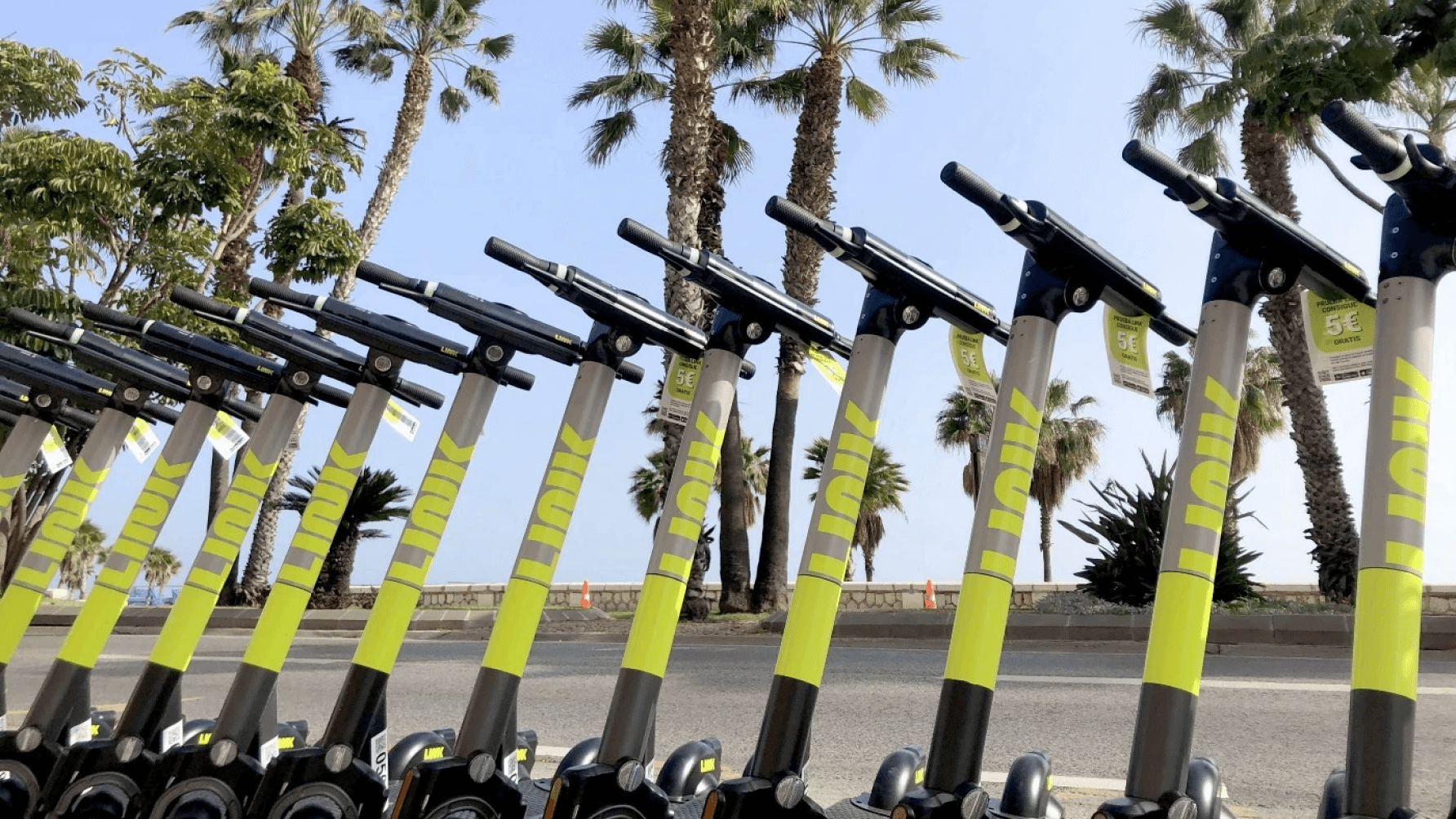
LINK is a global micromobility platform — riders rent electric scooters across cities in Europe and the US. The company builds both the hardware and the full digital riding experience.
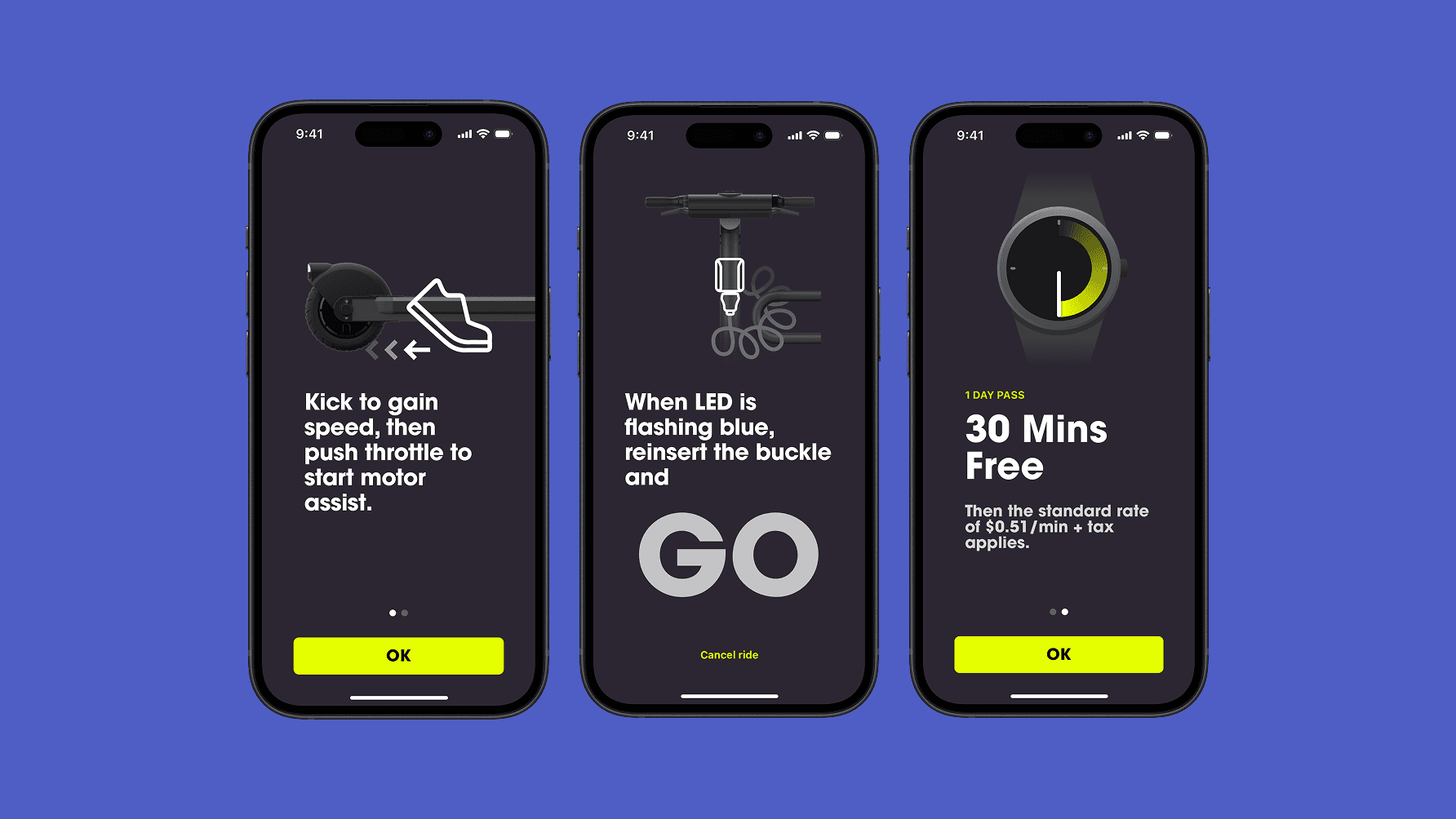
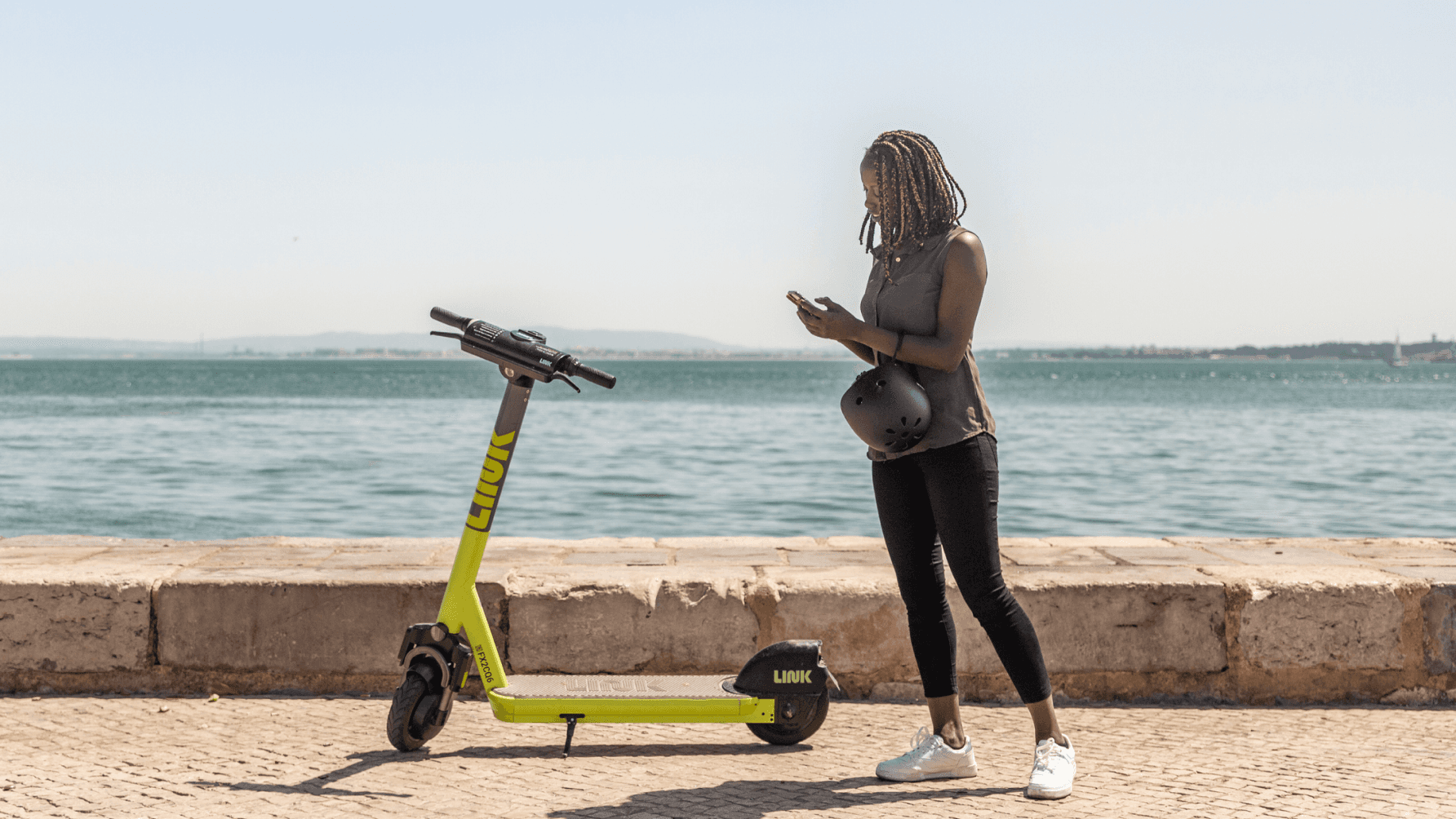
I joined the product design team for about a year. My work spanned the core ride interface, geofence zone visualization, onboarding, and ride passes — all with one defining constraint: every interaction happens outdoors, in short bursts, often in an unfamiliar part of the city. Riders pull out their phone for a few seconds — and need an answer immediately.
My Role
Product Designer
Timeline
About one year
Team
Product designers, PMs, engineers
Responsibilities
Ride interface, Geofence visualization, Onboarding, Ride passes, Iconography
Ride Interface
The ride screen is open for the entire duration of a trip. It needs to show speed, battery, cost, time, and the map — all readable in a single glance, the moment a rider stops to check.
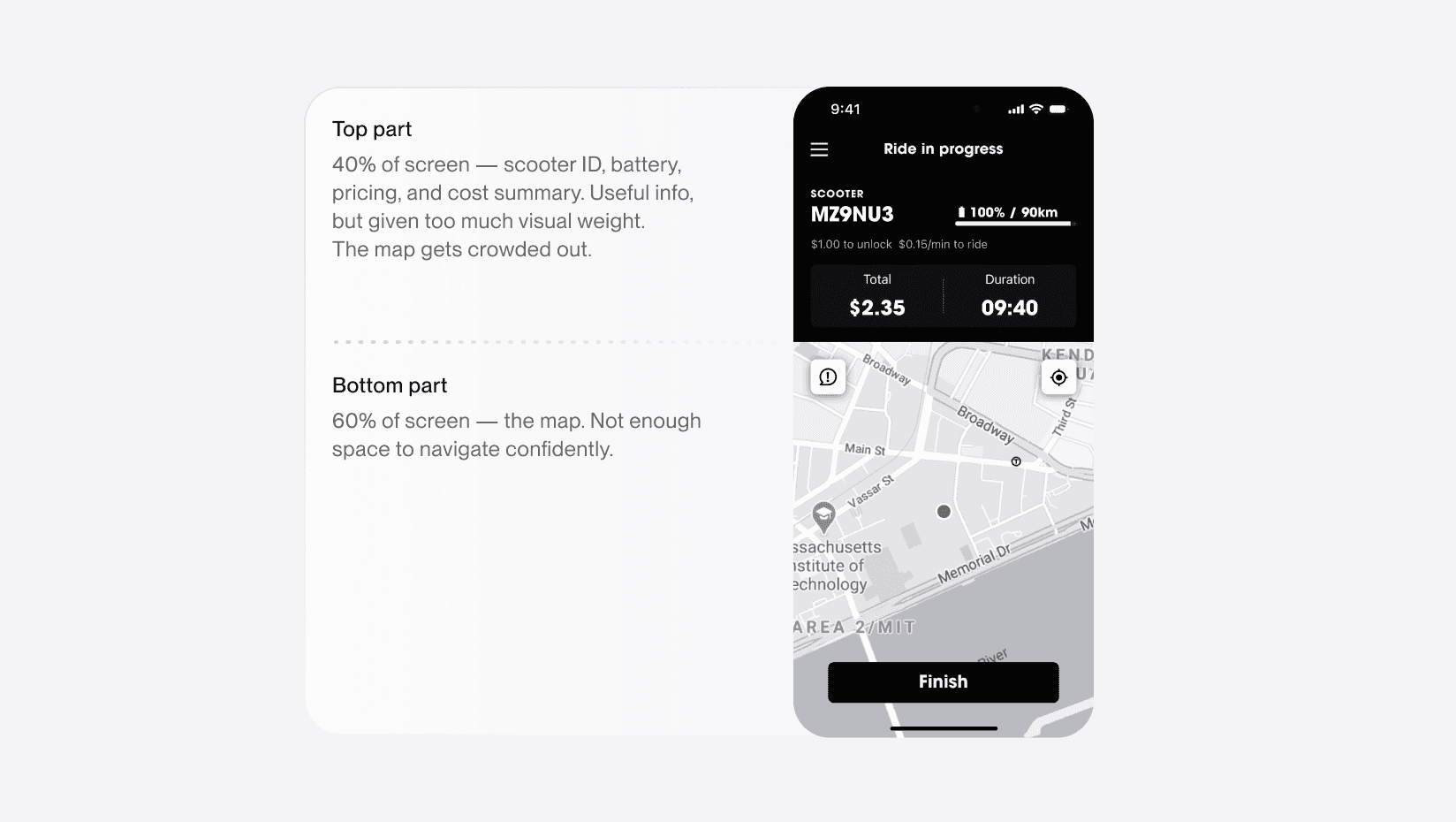
The existing interface put large graphical elements at the top, pushing the map into a small window at the bottom. On smaller phones, the map nearly disappeared.
I explored over ten distinct directions — different hierarchies, layout approaches, and ways to balance map space with ride data. Each round, concepts were presented alongside work from other designers, and the strongest ideas advanced.
Design explorations
1
2
3
4
Some directions looked visually strong but pulled attention away from essential ride information.
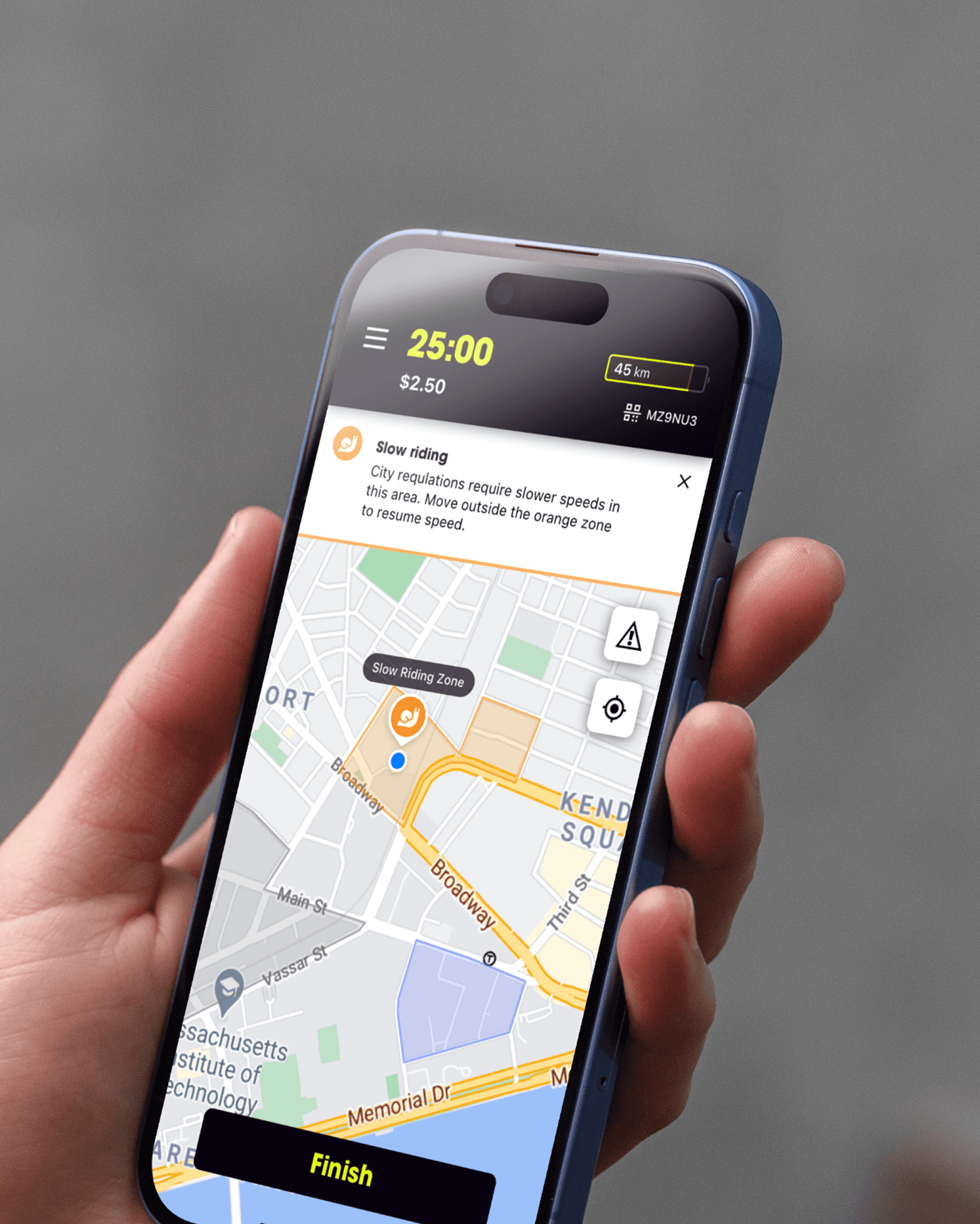
Final interface
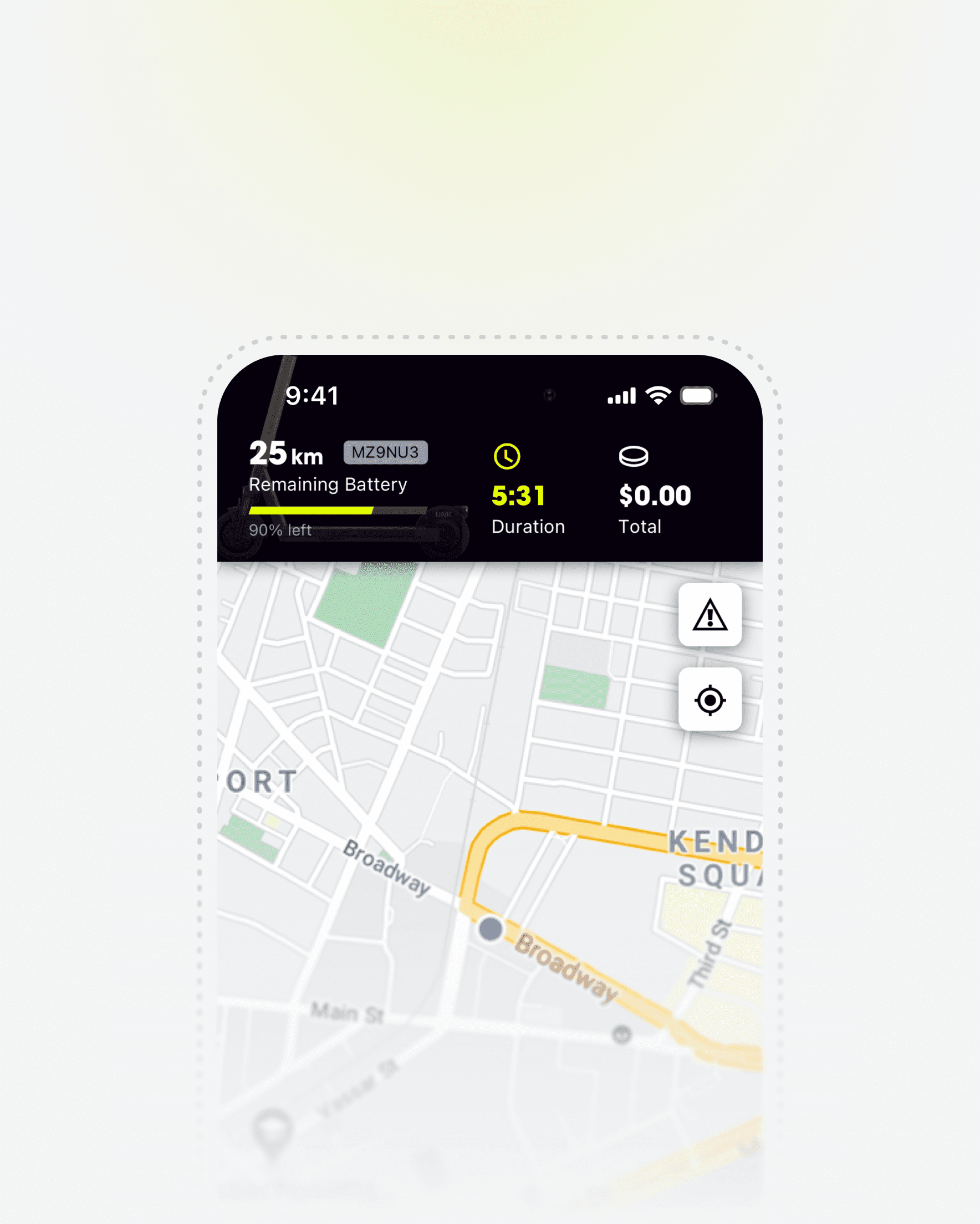
Shipped to production. Information hierarchy that works at a glance — essential data above, map below, nothing in the way.
Geofence Visualization
Cities regulate scooters through invisible digital boundaries: no-ride zones where the scooter stops, no-parking zones where a trip can't end, and slow zones where speed is automatically reduced.
Since these rules don't exist in the physical world, the app has to communicate them clearly — to a rider glancing at the map for one second.
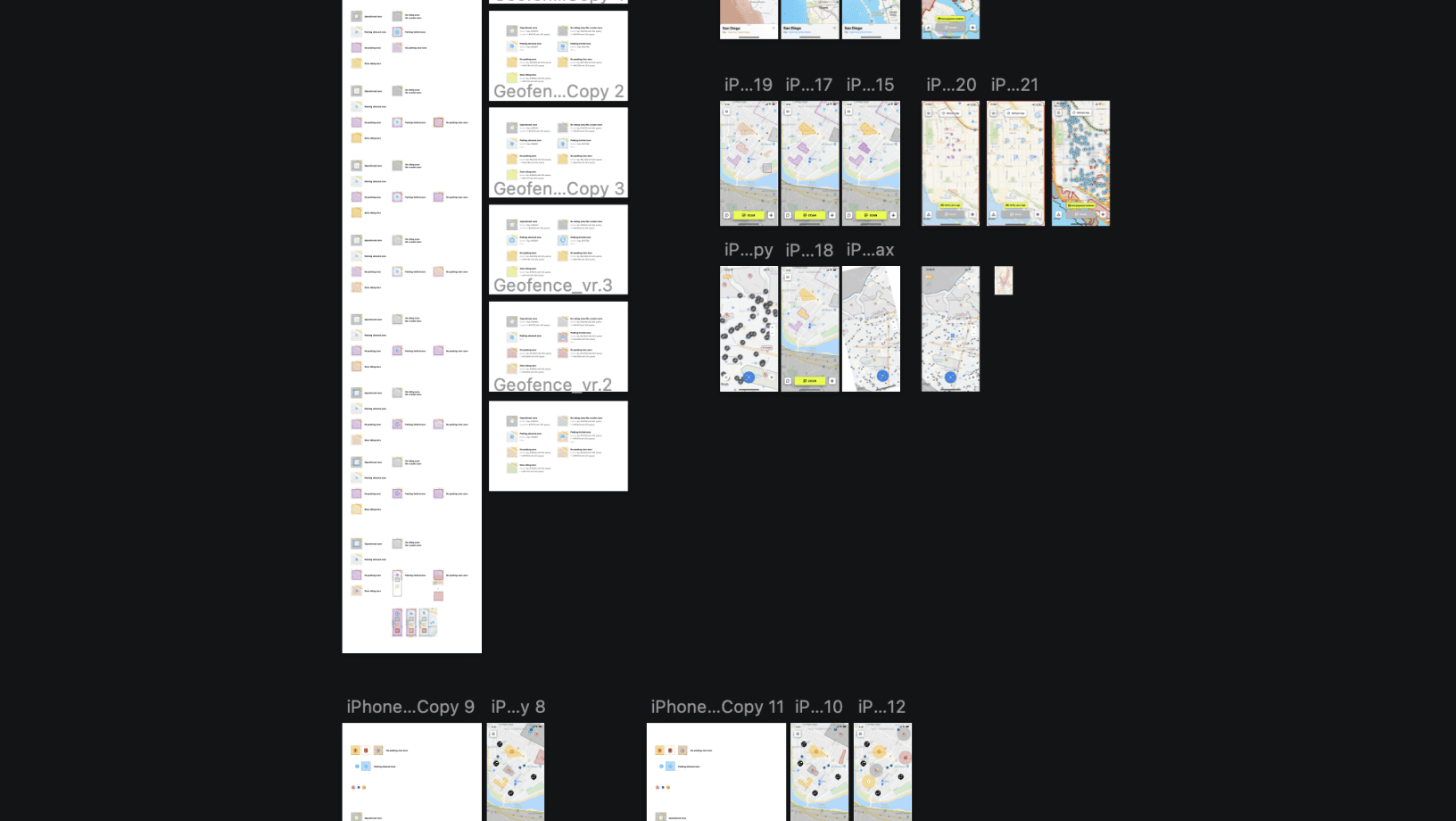
I designed the visual language for all three zone types: map overlay colors, icons, and zone labels. The system was developed in close collaboration with engineers to ensure reliable rendering across cities and zoom levels.
Design Process
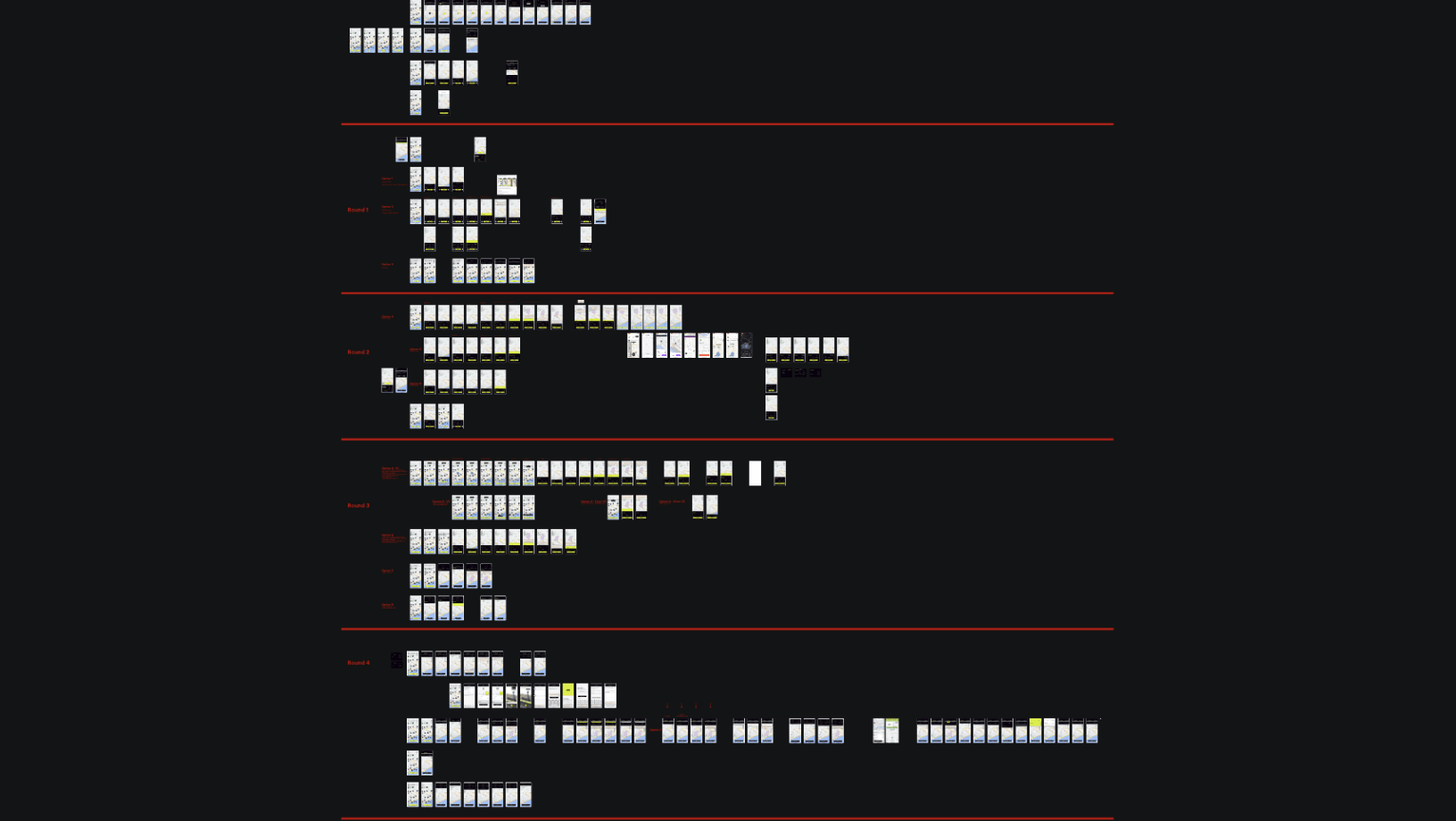
Design problems at LINK were solved in parallel — multiple designers explored different directions simultaneously. At the end of each round, all concepts were reviewed together and the strongest ideas moved forward, competing with new variants in the next iteration.
Much of this work happened on large shared canvases in Figma, with dozens of variants side by side. The format made it easy to compare directions, spot patterns, and combine the best ideas across different explorations.
Outcome
My ride interface design was selected from over ten competing directions and shipped as the production interface across LINK's network. The geofence zone visual system I designed became the standard approach for communicating city regulations to riders — across 50+ cities in Europe and the US.
What I'd do differently: I'd push for field research earlier in the geofence work — observing riders approaching zones in real conditions. Most decisions were shaped by team critique and design rounds, which worked well. But seeing how fast a boundary actually registers when you're checking the map would sharpen the visual system further.